.svg)
Case studies / Corporate training
Service depthLayer one|Task automation
Turning training into a quiz game
Starting with insurance as the launch scenario, we built an interactive training platform with a swappable question bank that extends to other industries.
Background
Facing hundreds of products, new hires have to master the product details, the communication scripts, and the integrity principles all at once — a steep learning curve and a heavy information load.
When senior staff take on the teaching, they give up sales time and income directly; conventional lecture-style training struggles to ensure engagement. The problem isn't a lack of content — it's that transferring knowledge consumes so much manpower, and a trainee being present doesn't mean they've learned to judge.
From understanding to impact
-
01
Understand
Being present isn't the same as learning to judge
The core gap isn't insufficient content, but the absence of real-time judgment, feedback, and discussion.
-
02
Solve
Reset the learning session with three connected devices
The big screen poses the questions, phones submit the answers, and a facilitator runs the session — so everyone has to make a judgment.
-
03
Impact
Scores become the start of the discussion, not the end
Differences in answers expose gaps in understanding, prompting participants to ask follow-up questions and trade perspectives.
How we intervened
Resetting the learning session with three connected devices
The big screen in the meeting room poses the questions, participants answer on their phones, and a facilitator controls the flow through a third interface. The competitive format turns passive listening into real-time judgment and lets the instructor open a discussion around differences in the answers.
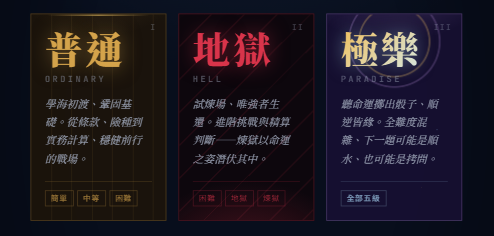
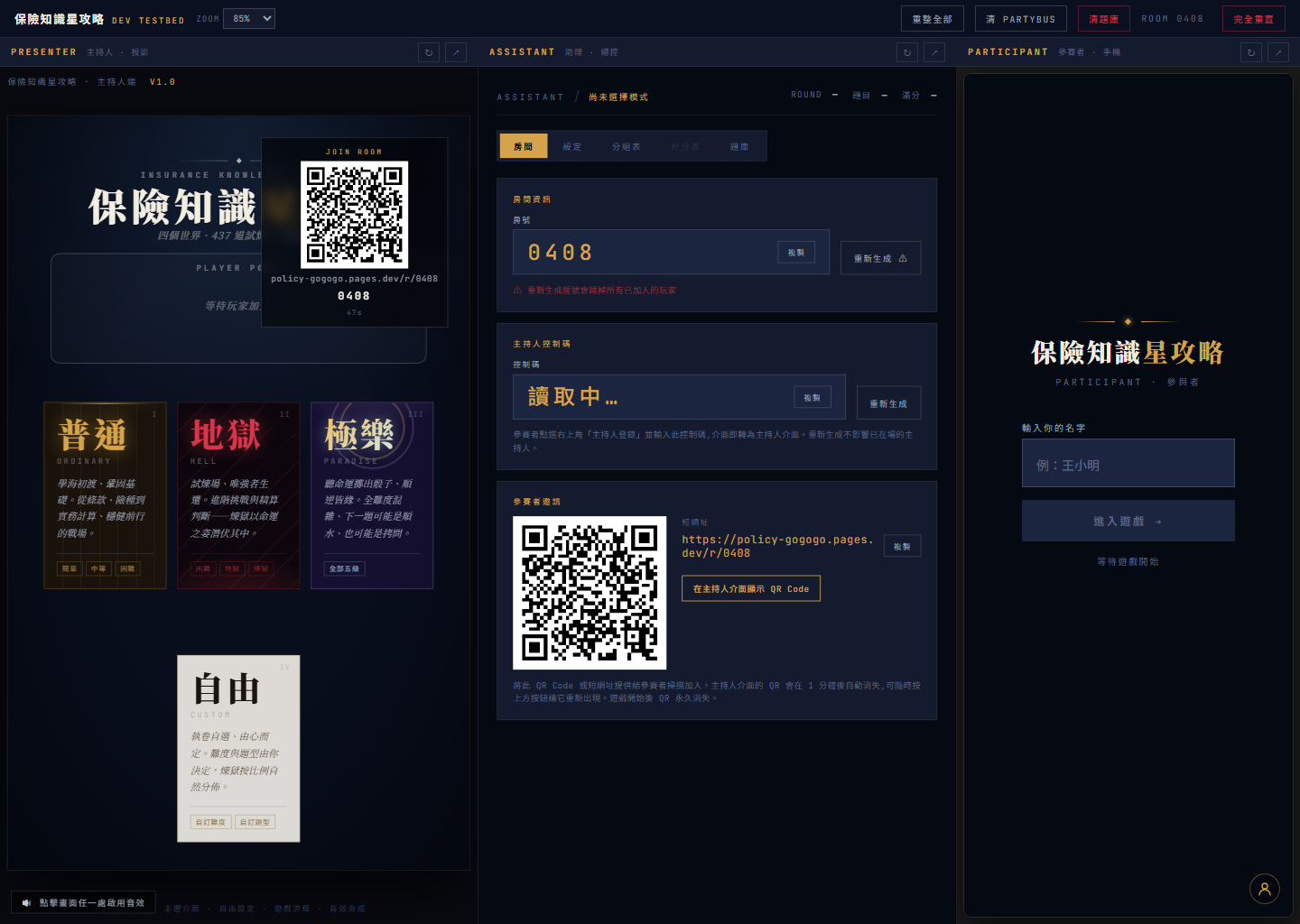
The heart of the project is the questions, not the interface
Designing the question bank accounted for roughly seventy percent of the total effort. AI has lowered the barrier to building an app, but it cannot replace judgment about what people need to learn. A good question does more than test memory — it exposes gaps in thinking and prompts discussion.
Using partial credit to guide reflection
Open-ended questions use partial credit: the more key points an answer covers, the more of the score it earns. The points left unearned become clear feedback, prompting participants to ask on their own, "What else did I miss?" — shifting learning from right-or-wrong toward the gap in understanding.
Results so far
The system is live. The first internal test involved six managers: the quiz itself took about five minutes, while the discussion that grew out of a single question ran for fifteen. That shows the game didn't leave learning stuck on speed and scores — it succeeded in bringing attention to judgment itself.
What we have now is a starting point with positive signals; the long-term learning outcomes still need to be verified through continued use and observation.
The value of training isn't in getting through the material — it's in getting people to start forming their own judgment.
Does your trainingactually change judgment on the ground?
The question bank can change and the industry can differ; what stays the same is using question design to drive engagement, thinking, and knowledge transfer.